Undergrowth Removal in Houston, TX
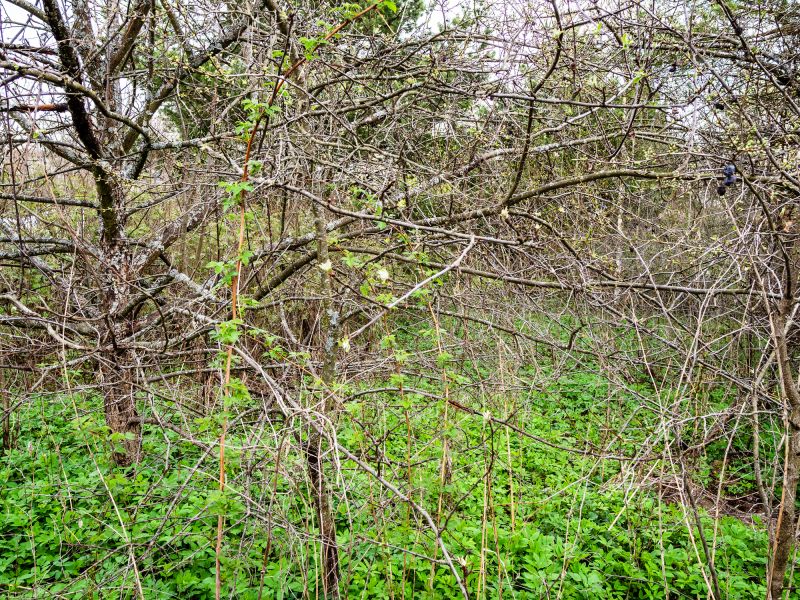
Undergrowth removal services focus on clearing dense vegetation, brush, and invasive plants from residential properties to improve safety, accessibility, and aesthetic appeal. This type of work typically covers overgrown yards, wooded areas, fence lines, and neglected lots where excessive underbrush can hinder maintenance or pose fire hazards. Homeowners often seek these services to create more usable outdoor space, prevent pest issues, or prepare a property for landscaping or construction projects.
Before requesting undergrowth removal, property owners should consider the extent of the overgrowth, the types of plants involved, and any specific areas needing attention. It’s helpful to clarify whether the goal is to clear a small section or an entire lot, and to identify any sensitive features like existing trees or structures. Understanding these details can assist in planning the scope of work and ensuring the desired results are achieved efficiently.
Many property owners in Houston, TX look into Undergrowth Removal for repairs, replacements, upgrades, and appearance-related improvements.
Benefits Of Undergrowth Removal
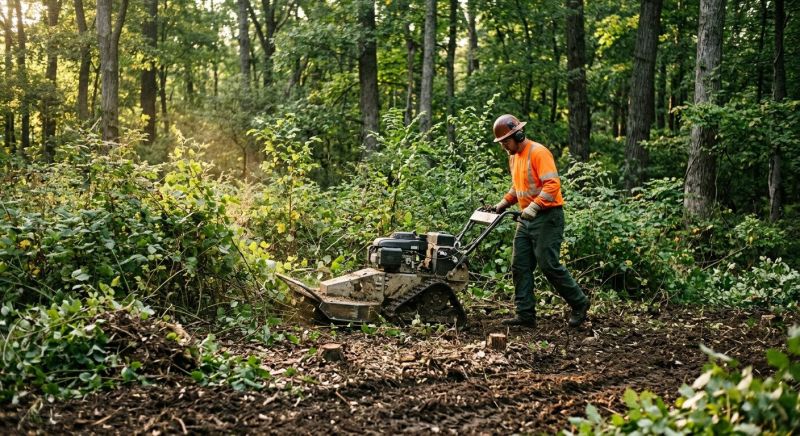
Clearing undergrowth improves safety and enhances the appearance of your property.
Common Reasons For Removal
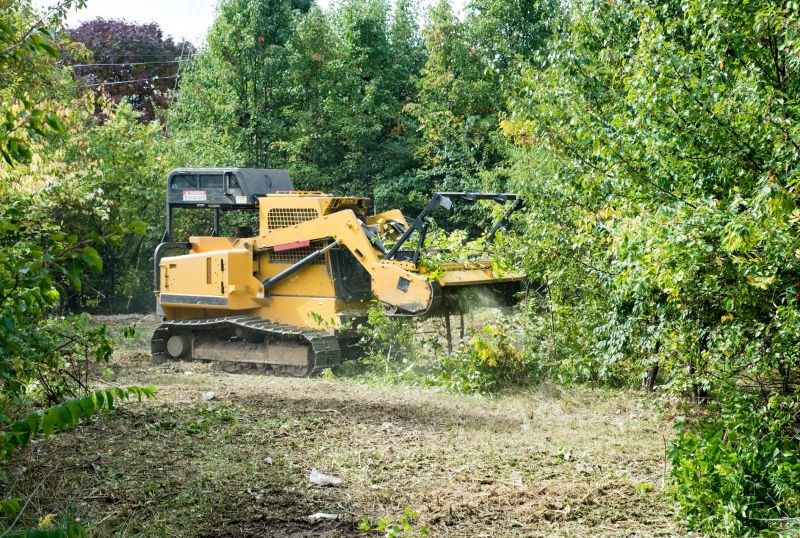
Property owners often remove undergrowth to prevent pests, reduce fire hazards, and prepare for landscaping projects.
Types Of Undergrowth Addressed
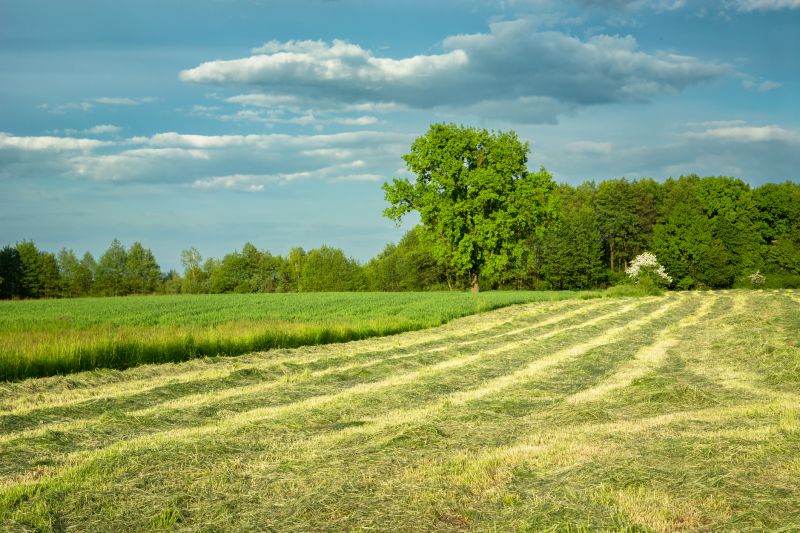
Services typically include removal of bushes, weeds, vines, and other dense vegetation around houston homes and businesses.
Undergrowth Removal in Houston, TX
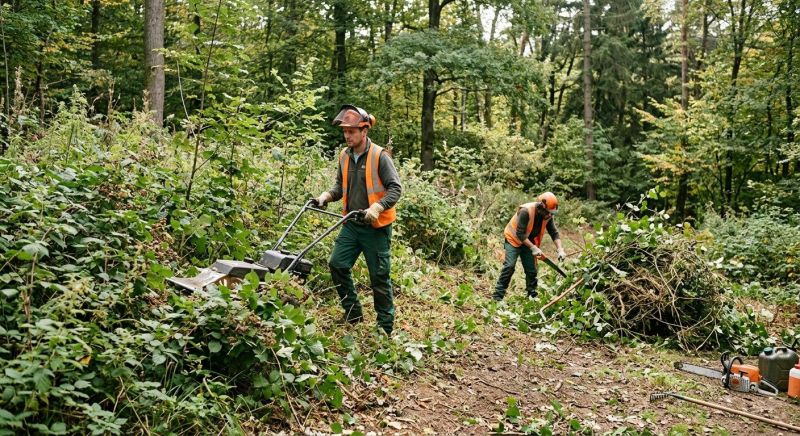
Undergrowth removal services focus on clearing dense vegetation, brush, and invasive plants from residential properties to improve safety, accessibility, and aesthetic appeal. This type of work typically covers overgrown yards, wooded areas, fence lines, and neglected lots where excessive underbrush can hinder maintenance or pose fire hazards. Homeowners often seek these services to create more usable outdoor space, prevent pest issues, or prepare a property for landscaping or construction projects.
Before requesting undergrowth removal, property owners should consider the extent of the overgrowth, the types of plants involved, and any specific areas needing attention. It’s helpful to clarify whether the goal is to clear a small section or an entire lot, and to identify any sensitive features like existing trees or structures. Understanding these details can assist in planning the scope of work and ensuring the desired results are achieved efficiently.
Many property owners in Houston, TX look into Undergrowth Removal for repairs, replacements, upgrades, and appearance-related improvements.
Common Undergrowth Removal Jobs
Undergrowth Removal - Clearing overgrown plants and shrubs to improve yard visibility and access.
Brush Clearing - Removing dense brush to reduce fire hazards and create open space.
Vegetation Control - Managing invasive plants and unwanted growth to maintain landscape health.
Thicket Removal - Clearing thick, tangled growth to enhance property safety and aesthetics.
Overgrowth Trimming - Pruning and trimming to prevent overgrowth from encroaching on structures.
Yard Clearing - Removing debris and unwanted vegetation for a tidy and safe outdoor environment.
Undergrowth Removal Questions
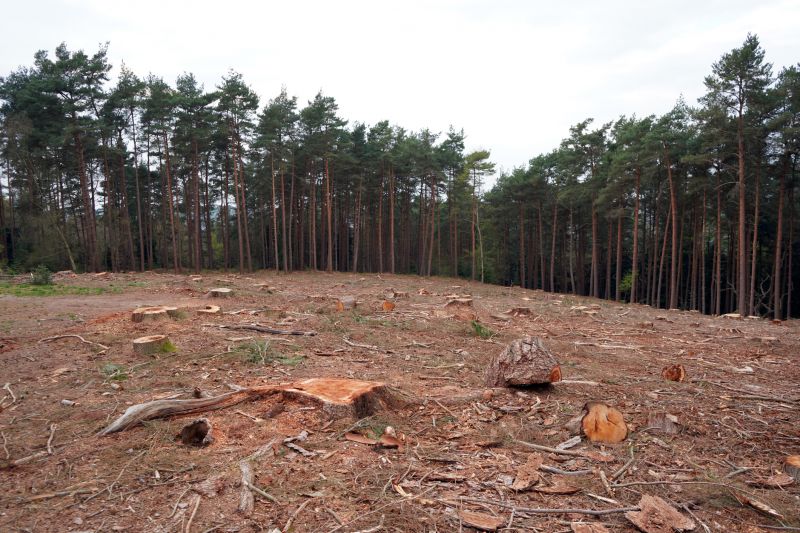
What is undergrowth removal? Undergrowth removal involves clearing dense plants, shrubs, and small trees to improve yard safety and appearance.
When should property owners consider undergrowth removal? It is typically needed when overgrowth begins to obstruct views, pathways, or outdoor spaces.
What types of projects often require undergrowth removal? Common projects include clearing overgrown gardens, preparing land for landscaping, and maintaining fire safety zones.
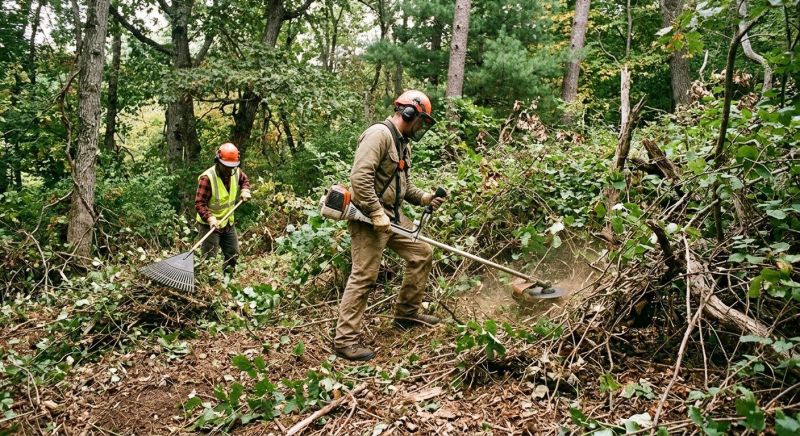
What should property owners know about the process? The process involves trimming or removing unwanted plants to create a tidy, accessible outdoor area.
Request Undergrowth Removal in Houston, TX
Use the quote form on this page to share the basics of your project and request more information for the type of work you need.